- #Inter-Korean Relations
- #North Korea
- #Nuclear & Missile Issues
Key Takeaways:
The urge to engage with the DPRK runs deep in progressive ROK politics. President after president has tried to communicate with Pyongyang and presidents Kim Dae-jung, Roh Moo-hyun and Moon Jae-in showed that, in the right circumstances, it was possible to meet the DPRK’s senior leaders and, if only temporarily, to soften some of the hard edges of inter-Korean relations.
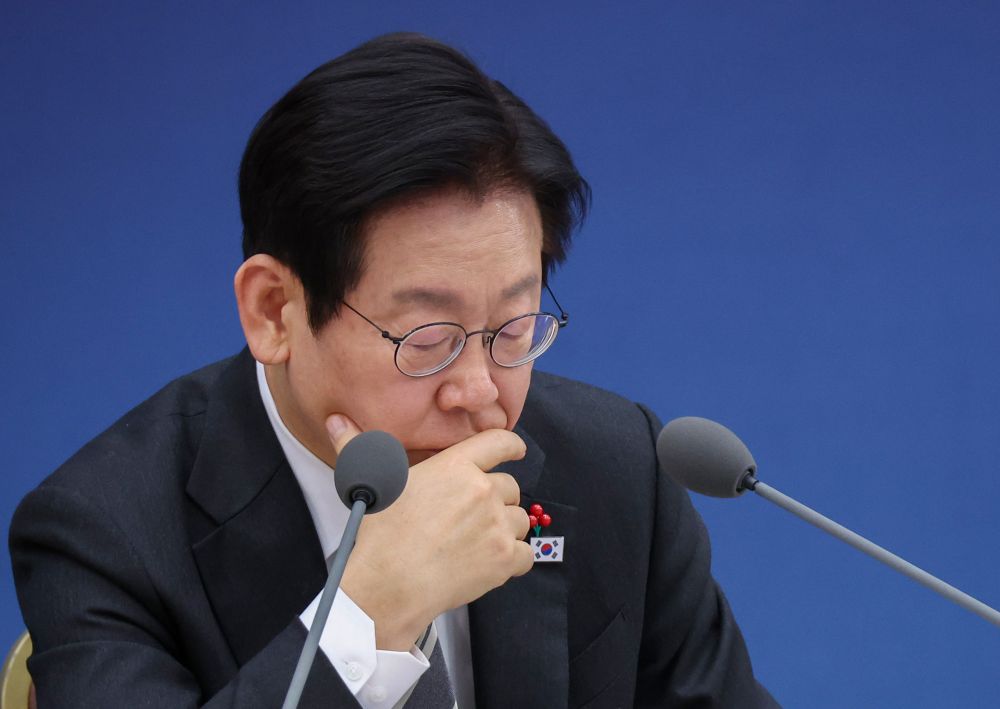
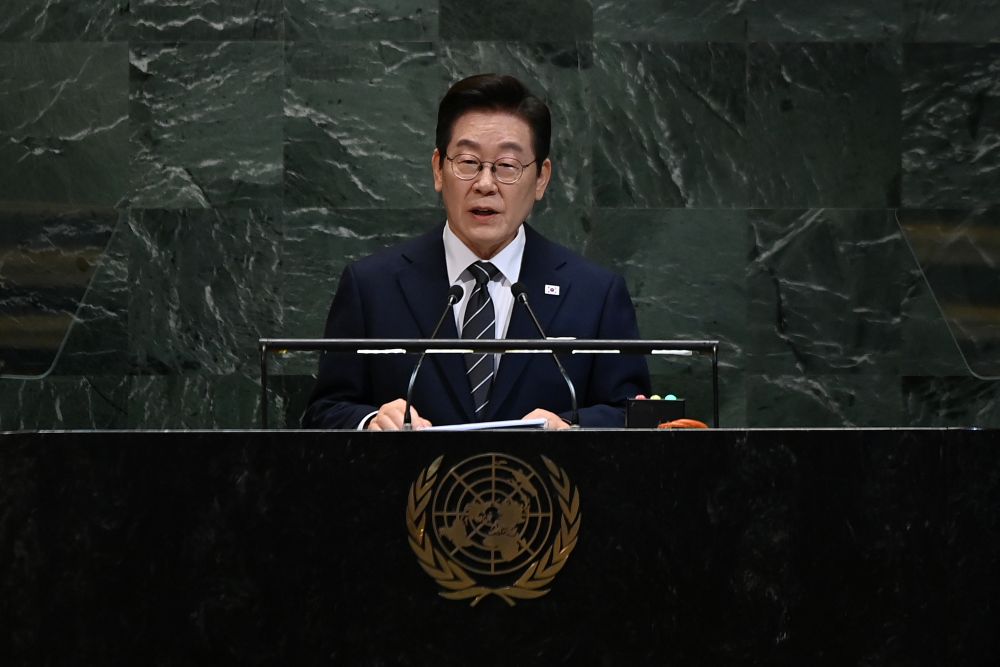
And now President Lee Jae-myung’s administration is attempting the same. But whereas President Moon was able to address a capacity crowd in the DPRK’s May Day stadium and walk with General Secretary Kim Jong Un across the inter-Korean border at Panmunjom, President Lee has been rebuffed at every turn. General Secretary Kim’s outspoken sister Kim Yo Jong has poured vitriol on his proposals for direct inter-Korean dialogue, and his proposal to act as “pacemaker” to President Trump’s “peacemaker” went nowhere - the DPRK did not respond to President Trump’s suggestion of a meeting with General Secretary Kim Jong Un in November. Why?
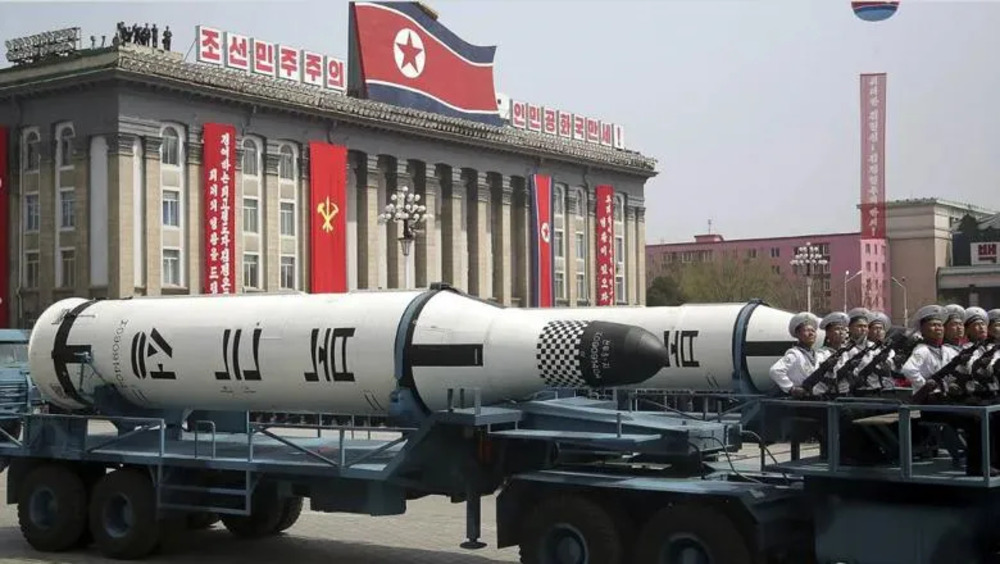
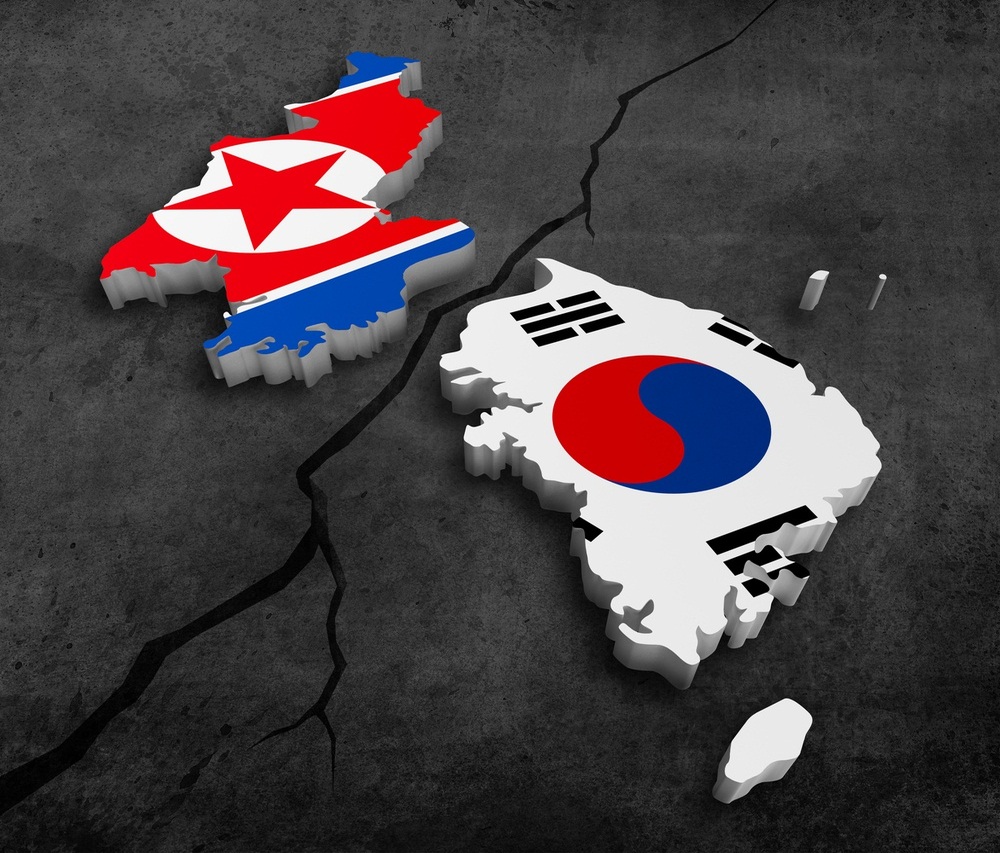
The fundamental problem is that the DPRK of 2025 is very different from the DPRK of 2018 with which President Moon dealt. The Lee administration sometimes seems to believe that the DPRK’s rejection of reunification, set out in General Secretary Kim Jong Un’s speech to the Supreme People’s Assembly on 15 January 2024, was a tactical move that can be reversed. But events both before and after this speech suggest strongly that it is a carefully considered strategic shift that the DPRK has no intention of reversing. We now know that the speech was part of a process that started at least in 2022 with the dissolution of the DPRK MFA’s Fatherland Unification Bureau. This gradual approach would have been necessary for such a radical and emotionally difficult change of policy – for many North Koreans reunification was an important dream. Then after the speech the DPRK demolished monuments to national unity, fortified the DMZ, and repeatedly spurned all calls for dialogue from the ROK. Two years after the speech it has shown no flexibility whatever in its position. (At about the same time the DPRK may have reviewed other aspects of its international relations, largely withdrawing from Africa and – Hecker and Carlin argued in January 2024 – also fundamentally reassessing its relations with the USA. It is unclear if or how these strands interweave).
There were probably three main reasons why General Secretary Kim announced this fundamental shift in the DPRK’s approach to its relations with the ROK. The first is that the DPRK leadership remains scarred by the failure of previous attempts to engage with the ROK. The bold projects in the 19 September 2018 Pyongyang Declaration came to nothing, both because some fell foul of UN sanctions and because of President Yoon Seok-yeol’s sharp change of course. General Secretary Kim told President Trump at Singapore that he had had to defy strident advice against the meeting for it to go ahead. It is likely that he also had to expend domestic political capital in agreeing to meet President Moon and that he was damaged by the collapse of the efforts at engagement – this would explain the bitterness of DPRK commentary afterwards. It is not surprising that he hesitates to repeat the experiment.
The second is that the DPRK regime feels more threatened by the ROK than it did in 2018. This has long roots. General Secretary Kim’s grandfather and father claimed legitimacy variously based on racial purity, untrammelled sovereignty and military prowess, criteria that side-stepped the challenge of the ROK’s surging economic success. But General Secretary Kim, while retaining some of this messaging, has sought to enhance his popular support by promising the economic progress for which his citizens long. In 2018 DPRK television audiences were allowed to see prosperous, developed Singapore – an implicit promise that the DPRK too would one day look similar – and General Secretary Kim has since called for more hospitals and factories. But economic promises, especially when they are not fulfilled, invite direct comparisons with the ROK that now make the DPRK appear a lamentable failure even against its own criteria. These comparisons also raise the question why, if the revolution is in fact about economic progress, the DPRK does not accept the ROK’s vision of reunification into a single state – “reunification by absorption” as General Secretary Kim scornfully called this in his speech. This would mean the end of the DPRK regime. These considerations have greatly sharpened the DPRK’s anxiety to prevent knowledge of, and appreciation of, the ROK. Domestically, this has led to a slew of laws banning everything from watching ROK soap operas to speaking in an ROK accent, and in inter-Korean policy to an hermetic closure of the DPRK from toxic ROK influences. The regime seems to have decided that the risk of contamination by the ROK through continued contacts now outweighs any benefits they might bring.
Thirdly, the new relationship with Russia has given the DPRK much of what it might have hoped for from closer links with the ROK including, in varying degrees, technological support, money, grain and oil. The timing of the first public statements on the change at the December 2023 Plenum, just weeks after General Secretary Kim’s successful visit to the Russian far east, may be significant. Perhaps promises by President Putin gave General Secretary Kim the confidence to finalise this major step.
So the DPRK has probably closed down any prospect of reunification, or even of contacts, with the ROK, for the foreseeable future. How might the ROK best respond?
Firstly, what is not to be done? Continually pressing for dialogue in the face of DPRK intransigence simply makes the ROK look querulous. It would be better to state, once only but very clearly, that the ROK is ready for dialogue whenever the DPRK wishes it, and then to remain quiet. If the DPRK ever does change its mind it will pick up the telephone – it does not need constant reminders of the ROK’s willingness to engage.
Also, the Lee administration’s efforts to open indirect channels of communication with the DPRK through President Trump are hazardous. They are unlikely to succeed for now because the DPRK will not risk annoying its key Russian ally by courting the USA. But even if President Trump and General Secretary Kim do talk this is unlikely to help the ROK. President Trump has shown that he is prepared to throw Ukraine to the wolves in search of a “peace” that might win him the Nobel Peace prize. By the same token he might well, for the sake of a blaze of media coverage, cede important points to General Secretary Kim without winning progress on inter-Korean relations.
On the positive side, there is room to hope that the DPRK’s intransigence may eventually soften. Various changes are possible. For example, the DPRK’s reliance on inflows of various kinds from Russia renders it fragile. If these benefits end with the war in Ukraine it is unlikely that China will make up all the deficit and the DPRK, faced with acute economic problems, might be forced to turn to the ROK.
It is hard to do nothing. But the best course for now might be to recognise that there is little prospect of progress in inter-Korean relations and, instead of pushing at a closed door, to watch carefully for signs that it might creak open.
John Everard served in the British Foreign and Commonwealth Office for twenty-seven years, working in Austria, Bosnia, Chile, and China (twice). He served as Ambassador three times, in Belarus, Uruguay and lastly in the Democratic People's Republic of Korea from 2006-2008. After his retirement from the diplomatic service in 2008 he was appointed Pantech Fellow at the Shorenstein Asia-Pacific Research Center at Stanford University from 2010-2011. He was then appointed as Coordinator of the United Nations Security Council Panel of Experts established pursuant to Security Council Resolution 1874 (dealing with sanctions on the DPRK). He withdrew from that position in November 2012 and has since written extensively for the media, broadcast and lectured, both on Korean issues and on international affairs generally. He published a book "Only Beautiful, Please" in 2012 that described his experiences of living and working in the DPRK and discussed some of the challenges presented by that country.